Expert Electrical Service Provider Solutions for Every Requirement
Skilled electrical contractors deliver expert solutions that address a wide variety of needs in residential and commercial sectors. These specialists assure adherence with safety regulations and improve operational efficiency. From implementation to energy conservation, their knowledge is vital for minimizing hazards and preventing expensive mistakes. Comprehending the nuances of local codes strengthens their importance. However, navigating the hiring and selection process can be complex, bringing up significant questions about how to select the appropriate contractor for your specific needs.
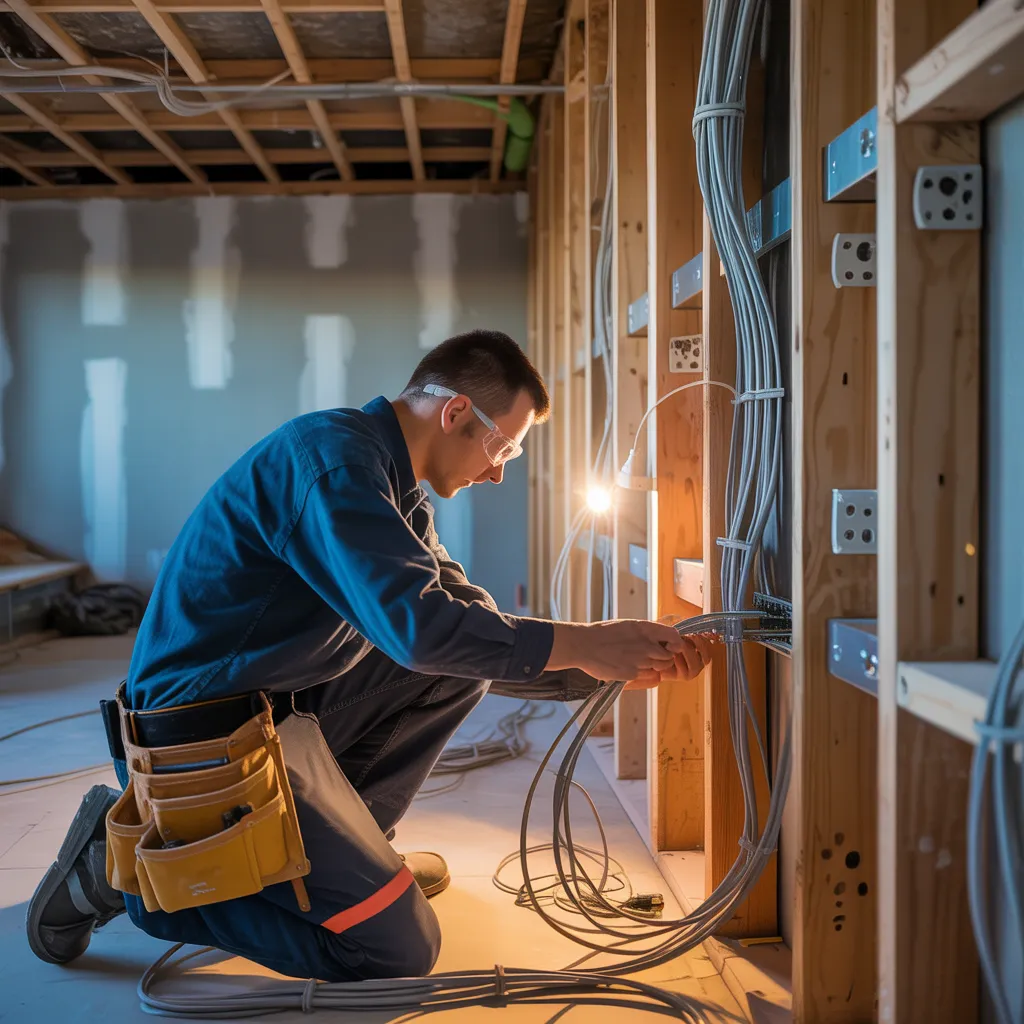
Why Working with a Competent Electrical Technician Is Paramount
Hiring a experienced electrician professional can significantly improve the security and performance of a building's electrical system. These experts possess the necessary training and expertise to ensure that all electrical work adheres to local standards and regulations. This compliance reduces the risk of threats such as electrical fires, shock, and equipment failure. Additionally, a competent contractor can properly evaluate the specific electrical needs of a building, providing customized solutions that improve efficiency and performance.
In addition to safety, bringing in a professional can avert expensive blunders that regularly stem from DIY endeavors or hiring unqualified technicians. Their expertise facilitates efficient project completion while upholding quality. Additionally, a established contractor typically offers guarantees and coverage, affording confidence to property owners. Ultimately, the choice to hire a qualified electrical professional is not simply a matter of convenience; it is an investment in the sustained safety and dependability of a home's electrical network.
Basic Power Services Made available by Contractors
A broad selection of electrical services is generally offered by electrical professionals to address diverse client needs. These services encompass home electrical installation, where contractors set up and service electrical systems in homes, guaranteeing protection and compliance with local codes. Business electrical services encompasses setup and maintenance in business environments, emphasizing efficient energy use and dependable functionality.
Additionally, contractors provide light fixture setup and enhancements, enhancing both visual appeal and performance in various spaces. They also focus on troubleshooting and repairing power problems, resolving issues like dimming fixtures or electrical overloads.
Moreover, energy efficiency assessments are completed to help clients lower usage rates and reduce utility bills. Contractors regularly provide assistance with the implementation of automated home technology, introducing intelligent systems for better control and customer satisfaction. In conclusion, rapid electrical assistance are accessible to tackle immediate concerns, making sure that patrons acquire fast assistance when necessary.
Reviewing Electrical Contractor Qualifications
Checking the credentials of an electrical contractor is critical for assuring quality and safety in electrical work. Key factors include the required licenses and certifications, thorough insurance and liability coverage, and a proven track record of experience. Combined, these components create a basis for judging the contractor's reliability and professionalism.
Permits and Certifications Required
Licensing and certifications act as key indicators of an electrical contractor's qualifications and compliance to industry standards. Each region has specific licensing requirements that contractors must meet, often involving a combination of education, training, and experience. Certifications from accredited organizations further validate a contractor's expertise in specialized areas, such as residential, commercial, or industrial electrical work. These credentials not only ensure compliance with local regulations but also demonstrate a commitment to safety and professionalism. Clients should verify these credentials before hiring, as licensed contractors are typically more knowledgeable about current codes and best practices. Ultimately, proper licensing and certifications enhance consumer confidence and support the successful execution of electrical projects.
Insurance And Risk Coverage
When reviewing the background of an electrical contractor, insurance and liability coverage are critical factors. These protections ensure that both the contractor and the client are shielded against potential mishaps. A qualified electrical contractor must have general liability insurance, covering property damage or injuries that may happen during the project. Furthermore, workers' compensation insurance is essential as it protects against workplace injuries suffered by employees. Clients should check that the contractor’s insurance is current and sufficient for the scope of work. This not only mitigates financial risk but also reflects the contractor's dedication to professionalism and safety. Ultimately, strong insurance and liability coverage serve as indicators of a dependable and responsible electrical contractor.
Expertise and Track Record
Experience serves as a base in assessing the qualifications of an electrical service provider. A contractor's history of completed projects shows their capacity to manage diverse electrical tasks, extending from home electrical work to sophisticated commercial installations. Potential clients should review the contractor's portfolio, looking for successful projects that match their particular needs. Additionally, years in the industry often correspond to a more comprehensive grasp of regulatory requirements and safety standards. User feedback and reviews can offer insights into reliability and customer satisfaction. Credentials and licenses substantiate a contractor's expertise, showcasing ongoing education and adherence to industry standards. Ultimately, a robust track record supports informed choices, ensuring clients hire a contractor able of providing quality work consistently.
The Role of Electrical Contractors in Home Renovations
In the elaborate dance of home improvements, electrical specialists play a key role, guaranteeing that every wiring and lighting decision enhances both safety and aesthetics. Their proficiency is critical in formulating and executing electrical layouts that meet building codes and regulations. From deploying energy-efficient lighting to strategically placing outlets, these professionals promise practicality and convenience throughout the home.
Moreover, electrical professionals evaluate existing systems, pinpointing necessary improvements or fixes that improve overall energy efficiency. This not only lowers energy bills but also contributes to a more sustainable home space. They work intimately with fellow trade professionals, coordinating their efforts with plumbing, carpentry, and design elements to develop a unified renovation plan.
Ultimately, the involvement of electrical contractors is crucial for transforming a house into a safe, stylish, and modern home, underscoring their importance in any successful renovation project.
Electrical Contractor Resources for Commercial Spaces
Within the realm of commercial spaces, electrical contractors serve as crucial components in deploying streamlined electrical systems and energy management systems. These methods not only boost operational productivity but also yield cost savings over time. By emphasizing cutting-edge electrical approaches, businesses can enhance their energy consumption and improve overall performance.
Streamlined Wiring Implementations
Effective wiring implementations are important for boosting functionality and safety in commercial spaces. A evaluation strategically planned wiring system improves electrical performance while decreasing the risk of hazards. Expert electrical contractors examine the unique needs of each facility, ensuring that wiring is modified to support various applications, from lighting to heavy machinery. By utilizing superior materials and adhering to industry standards, they reduce maintenance issues and extend the lifespan of electrical systems. In addition, effective wiring designs support future upgrades and expansions, allowing businesses to adapt to evolving technological demands. Ultimately, investing in effective wiring configurations not only improves operational efficiency but also contributes to a safer working environment, promoting overall productivity and peace of mind for both employers and employees.
Energy Management Systems
Enhancing power networks goes beyond effective wiring implementations; it involves the deployment of EMS that improve operational efficiency in corporate environments. Energy management platforms offer live tracking and regulation of power expenditure, allowing businesses to detect usage patterns and eliminate inefficiencies. By incorporating advanced technologies, including smart meters and self-regulating systems, EMS can significantly reduce operational costs while fostering sustainability. Electrical contractors serve as essential players in developing and installing these platforms, making sure they fulfill specific commercial needs. With personalized energy management systems, businesses can obtain enhanced power efficiency, respect regulations, and elevate their overall operational performance. Putting in place an EMS benefits not only the profit margin but also supports in building a more sustainable world.
Guide to Convey Your Needs With Contractors
Expressing project needs distinctly is vital when partnering with electrical contractors. Clients should begin by defining the project scope, noting the type of work required, whether it's new installations, upgrades, or repairs. Sharing detailed descriptions helps contractors recognize expectations and necessary resources.
Furthermore, customers should share their budget constraints and project deadlines. Disclosing these parameters enables contractors to offer feasible options and schedules. It is also useful to examine any distinct needs for materials or technologies, along with any relevant health or legal requirements.
Visual aids, including graphs or visuals, can further enhance grasp. Encouraging open dialogue fosters a partnership-based atmosphere, allowing contractors to ask explanatory questions and suggest different solutions. Lastly, establishing a primary point of contact guarantees clear communication during the project. By following these guidelines, clients can successfully share their needs, leading to successful project outcomes.
What to Expect During the Electrical Installation Procedure
What could someone expect during the electrical work procedure? To begin, the electrician will conduct an assessment of the project needs, discussing the scope and any particular worries. After this, they will deliver a comprehensive estimate, detailing expenses and timelines. When the contract is in effect, the professional will arrange the work and obtain any required documentation.
Throughout the actual work, you can expect transparent dialogue about progress and possible interruptions. The contractor will guarantee that safety measures are followed, reducing risks to both workers and residents. As the project advances, inspections may take place to verify adherence with local codes.
Once the work is complete, the contractor will carry out a final walkthrough, managing any concerns and guaranteeing all systems perform correctly. Finally, they will provide documentation, comprising warranties and maintenance tips, guaranteeing that the homeowner is well-informed about their new electrical installations. This thorough process aims to deliver reliable and efficient electrical solutions.
Frequently Questioned FAQ
What Constitutes the Average Charge of Engaging an Electric Professional?
The average cost of hiring an electrician generally falls from $50 to $100 each hour, depending on the complexity of the project and area. Fixed rates for particular jobs may also be applicable, differing considerably.
How Long Will Typical Electrical Work Require to Finish?
Typical electrical jobs take varying amounts of time, usually lasting from a few hours up to several days, determined by the degree of complexity. Key factors including the installation style, existing wiring conditions, and how efficiently the contractor works significantly impact the time required for completion.
Do All States Demand Certifications for Electricians?
Electrical professionals are generally required to be certified in most states, guaranteeing they meet specific education and experience standards. However, licensing requirements can vary considerably, so it's important to review local codes for precise information.
Can I complete Any Electrical Work Myself?
Individuals can complete some basic electrical tasks themselves, such as replacing outlets and light fixtures, but must adhere to local codes. For complicated work, hiring a licensed professional is advisable to guarantee safety and compliance.
What Precautions Can I Undertake if an Electric Emergency Arises?
During an electrical incident, one must quickly turn off the power at the circuit breaker, refrain from touching any live wires, and reach out to a qualified electrician for support to guarantee safety and proper resolution.